
Cultural and Social Practices Around Money
Evidence-based strategies about taking into account cultural practices, social norms, and symbolic values of money. These strategies are also about how initiatives can be tailored to meet particular communities’ and groups’ cultural needs.
How to Navigate this Page
Select policy targets and evidence-based strategies that are priorities and achievable within your setting and sector. Align with your mandate, capacity, jurisdictional boundaries, and scope of practice
Strategies marked with ☔ are important for populations-at-risk.
Entry Point for Action:
Reflects the organization’s or government unit’s sector scope and mandate
Policy Target: Relates to the initiative’s focus
Evidence-based Strategies:
Concrete actions to guide initiatives’ design, delivery, and evaluation
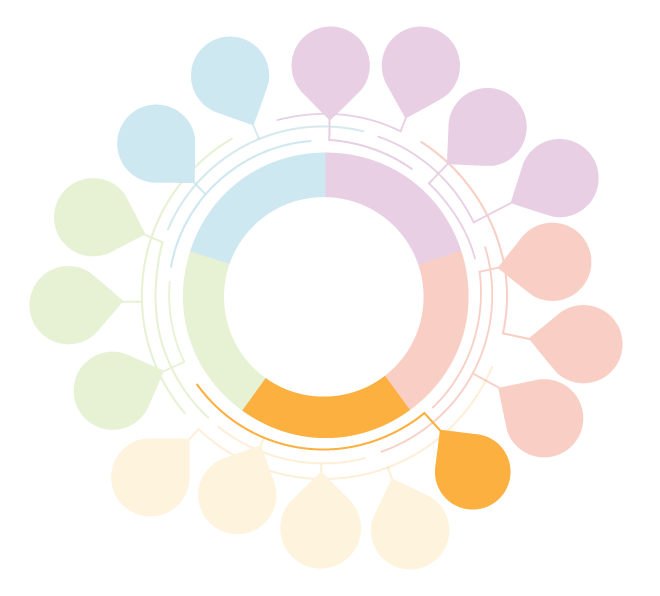
SAMPLE INDICATORS
- Availability of affordable or no-fee banking services and products (e.g., per jurisdiction)
- Number/percentage of clients who report that their banking services accommodate their individual values and needs (e.g., relative to socioeconomic status or life circumstances)
- Number/percentage of people who report that they can easily find and access banking services and products that meet their needs
SAMPLE INDICATORS
- Number/percentage of people who asked for an extension for repayment
- Number/percentage of people who failed to repay loan instalments by the deadline
- Number/percentage of people who take loans to repay existing loans
- Perceived level of difficulty to manage debts
SAMPLE INDICATORS
- Financial confidence levels (e.g., among disadvantaged groups)
- Number/percentage of people who report ease in finding the financial services and products they need within formal, semiformal, and informal financial systems, that are supportive to their financial security (e.g., stratified by deprivation levels)
SAMPLE INDICATORS
- Availability and accessibility of accurate and relevant information about semi-formal and informal financial services, products, and practices
- Number/percentage of people reporting confidence in assessing the advantages and disadvantages of the non-mainstream banking system (e.g., among disadvantaged groups)
- Number/percentage of disadvantaged people reporting that reliable semi-formal or informal financial services and products better meet their needs
- Availability and perceived accessibility of mechanisms for people to report abusive and exploitation financial practices and obtain timely redress
SAMPLE INDICATORS
- Availability of in-person (face-to-face or virtual) financial literacy programs
- Availability of online financial literacy programs
- Access to financial literacy programs (e.g., to all people in the community)
- Availability of free or low-cost financial literacy programs
- Knowledge of financial systems, institutions, products, services, and money management
- Number/percentage of people who report knowing where to find the accurate, relevant, timely information needed to support their financial decision-making
- Number/percentage of people who report shopping around and being able to consider several options before making a financial decision
SAMPLE INDICATORS
- Availability of free or low-cost financial in person (or online) capability programs
- People’s perceptions of the level of difficulty required for accessing financial capability programs (e.g., stratified by socioeconomic status)
- Number/percentage of people with positive attitudes towards saving before and after participation in financial education programs
- Number/percentage of financial educators and practitioners who report participants developed negative attitudes toward risky borrowing
- Confidence in knowledge and skills regarding day-to-day money management
- Number/percentage of people whose basic needs are met reporting staying within their budget (e.g., stratified by age and socioeconomic status)
- Perceived ability to meet financial obligation and daily needs
- Number/percentage of people who report considering spending money carefully and making informed financial decisions (e.g., stratified by sex, gender and age)
SAMPLE INDICATORS
- People’s perception of financial practitioners hearing and respecting their financial concerns and needs
- Number/percentage of people who felt that financial practitioners developed customized strategies that met their needs and values
- Number/percentage of financial educators and practitioners who report delivering personalized financial guidance and information according to people’s life circumstances and trajectories
- Level of agreement with the statement that personalized steps outlined for improved financial literacy and capability are realistic and achievable
SAMPLE INDICATORS
- Number/percentage of people who report knowing where to find appropriate, relevant, and accurate financial information and advice for making financial decisions
- People’s perceptions of difficulty in finding financial services and products that meet their needs and values
SAMPLE INDICATORS
- Number/percentage of people feeling confident about their financial knowledge and skills in identifying and avoiding exploitative financial services and products
- Number/percentage of people who report understanding the warning signs of financial exploitation
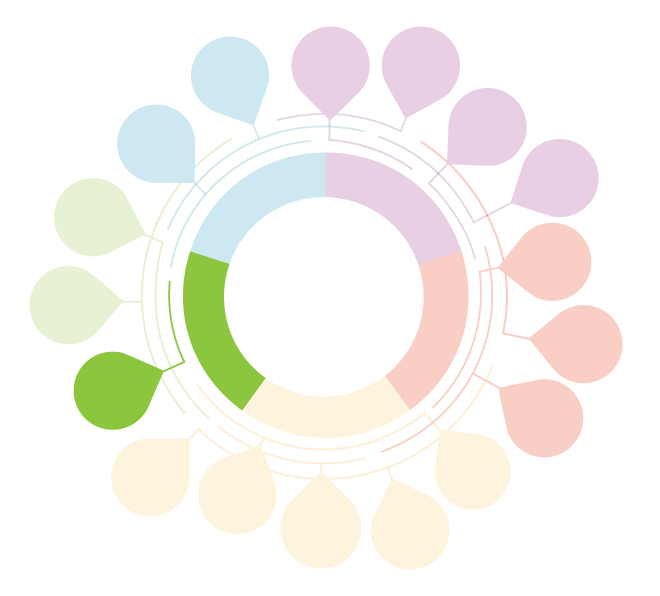
SAMPLE INDICATORS
- Number/percentage of people reporting not feeling judged for their cultural values shaping their financial decisions
- Number/percentage of people who report finding supportive environments to share their stories and lived experiences when discussing financial issues
SAMPLE INDICATORS
- Perception about strategies being respectful to the people’s sociocultural values and meanings attributed to their economic resources
- Number/percentage of people who report not feeling bullied or intimidated by staff over financial matters
- Number/percentage of records of abusive interactions with staff during financial decision-making
SAMPLE INDICATORS
- Number/percentage of initiatives with flexible implementation to accommodate targeted populations’ values and needs
SAMPLE INDICATORS
- Number/percentage of initiatives with mechanisms for (meaningfully) engaging community partners in all phases of the initiatives
- Number/percentage of initiatives with strategies in place encouraging disadvantaged groups to share their lived experience with financial struggles and successes
- Number/percentage of initiatives that prioritize improving community engagement in order to better serve the community
SAMPLE INDICATORS
- Number/percentage of people who report difficulties in refusing to lend money to family and friends
- Number/percentage of people feeling confident they can turn to relatives and friends for financial emergencies
- Periodic staff training programs and learning opportunities about recognition and respect of diverse sociocultural norms and expectations around financial practices
SAMPLE INDICATORS
- Number/percentage of caregivers feeling that society acknowledges their work by providing paid leave with no contingencies or conditions
- Levels of self-reported satisfaction with government assistance and paid caregiving services (e.g., stratified by socioeconomic status)
- Financial stress among caregivers (e.g., stratified by age, sex, and gender)
- Number/percentage of initiatives that acknowledge, respect, protect, and incorporate ancestral knowledge and traditions from Indigenous communities
- Number/percentage of Indigenous communities that feel the initiative symbolically values the cultural and environmental work they perform in the community (e.g., in remote communities)
- Distribution of benefits per type of caregivers
ENTRY POINT FOR ACTION
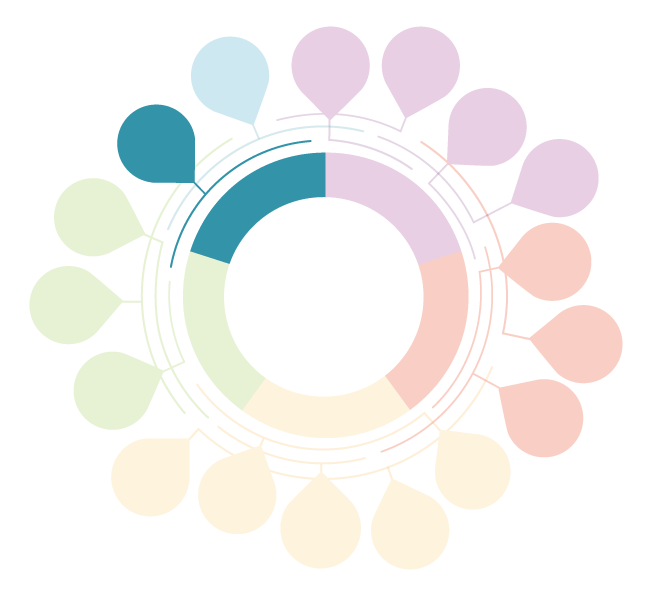
SAMPLE INDICATORS
- Number/percentage of programs and services offering flexible, unconventional hours for on-site support
- Number/percentage of programs and services with no penalties for rescheduling of in-person assessments
- Drop-out rates related to inability to attend in-person assessment
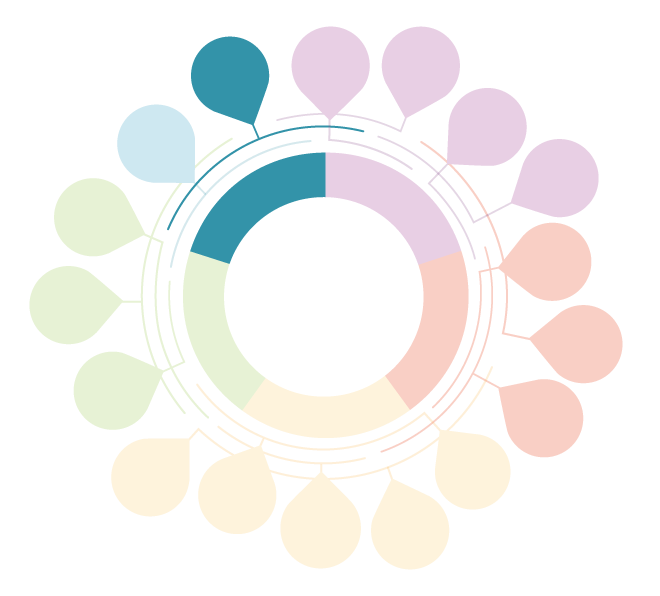
SAMPLE INDICATORS
- Number/percentage of people who report increasing their savings balance on a monthly or yearly basis, regardless of the amount
- Number/percentage of participants who report that they do not feel judged for their inability to save money
- Number/percentage of people who find it difficult to come up with a lump sum of money for an emergency
SAMPLE INDICATORS
- People’s perceived ability to save money
- Participation rate in automatic savings programs
- Self-reported amount (e.g., in Canadian dollars) that could be raised in a week
- Number/percentage of people who report savings for more than six consecutive months
SAMPLE INDICATORS
- Confidence levels about plans to pay off debt
- Individual’s perceptions of progress towards paying down their debt
- Number/percentage of participants who report knowing how and where to go for information and advice before making financial decisions
SAMPLE INDICATORS
- Confidence levels in financial skills
- Confidence levels in financial decision-making
- Perceived ability to pursue financial goals
SAMPLE INDICATORS
- Number/percentage of people who report keeping watch of their financial affairs
- Number/percentage of people who feel well-informed about finances
- Number/percentage of people who report weighing risks and benefits before choosing financial services and products